
Metabolic Priming: Nutritional Biochemistry for Enhanced Peptide Efficacy
In the post-2026 regulatory landscape, the reclassification of peptides as Category 1 compounds has standardized the quality and safety of these therapeutic agents. However, a prescription is only the beginning of the clinical journey. At 1yfe Health, we view peptide therapy not as a standalone intervention, but as a high-precision signaling event that requires a robust metabolic environment to achieve its full physiological potential.
The Biological Imperative: Why Nutrition Matters
Peptides act as molecular "instruction manuals" [2]. Whether you are utilizing BPC-157 for cytoprotection or secretagogues for metabolic optimization, these compounds initiate complex signaling cascades. If the cellular machinery lacks the raw materials—amino acids, micronutrient cofactors, and energy substrates—to execute these instructions, the therapeutic efficacy is inherently limited [3, 4].
1. Protein Timing and Amino Acid Availability
Peptides like BPC-157 and TB-500 accelerate tissue repair and modulate inflammatory pathways [3, 8]. However, tissue remodeling is an energy-intensive, protein-dependent process. Without adequate exogenous amino acids, the body may struggle to synthesize the structural proteins (collagen, elastin) that these peptides are signaling to produce [3, 4].
- Clinical Strategy: Prioritize high-leucine protein sources (e.g., whey, lean meats, or plant-based complete proteins) within 60–90 minutes of your peptide administration. This ensures that the systemic amino acid pool is primed to support the protein synthesis pathways activated by your protocol.
2. Micronutrient Cofactors: The Catalysts of Signaling
Many peptides function as enzyme activators or receptor ligands that require specific mineral and vitamin cofactors to operate [5, 10]. For instance, collagen synthesis—a primary goal of many regenerative protocols—is strictly dependent on Vitamin C and zinc [5].
- The Microbiome Connection: Emerging research highlights that the gut microbiome is a critical determinant of micronutrient bioavailability [1]. A dysbiotic gut can impair the absorption of essential B-vitamins and minerals, effectively "blunting" the signal of your peptide therapy. We recommend a fiber-rich, anti-inflammatory diet to maintain the microbial diversity necessary for optimal nutrient uptake [1, 4].
3. Anti-Inflammatory Modulation
Chronic systemic inflammation creates a "noise" that can interfere with the precise signaling of therapeutic peptides. High-glycemic diets and processed fats induce oxidative stress, which can downregulate receptor sensitivity [4].
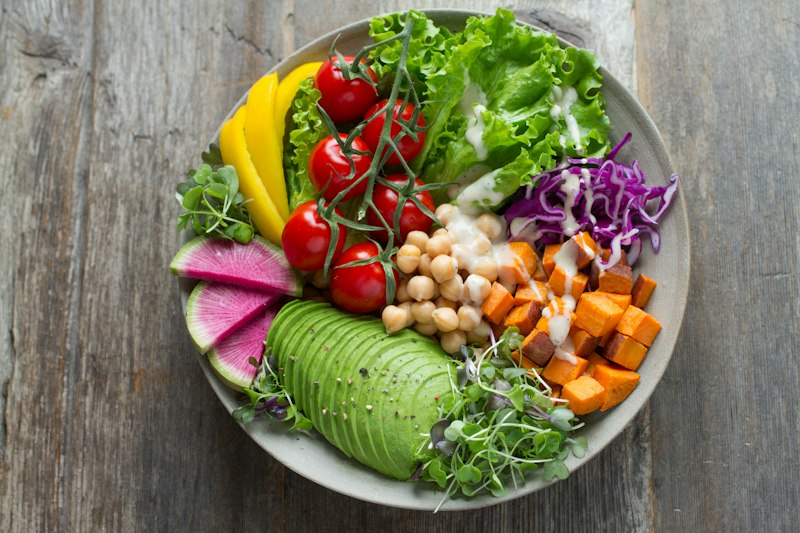
- Clinical Strategy: Adopt a Mediterranean-style nutritional framework. Focus on omega-3 fatty acids and polyphenols, which reduce the inflammatory load, allowing your peptide protocol to target specific pathways without competing with systemic inflammatory signaling [4].
Safety Considerations and Contraindications
While nutritional optimization is generally safe, it must be tailored to your specific protocol.
- Metabolic Protocols: If you are on GLP-1 receptor agonists, your nutritional strategy must prioritize nutrient density over caloric volume to prevent muscle wasting [3].
- Individualization: Always consult with your 1yfe Health physician before making significant dietary changes, especially if you are managing underlying metabolic conditions or taking concurrent medications.
Key Takeaways
- Peptides are Signals, Not Building Blocks: They tell your body what to do, but your diet provides the materials to do it [2, 4].
- Protein is Non-Negotiable: Ensure adequate protein intake to support the tissue repair and metabolic shifts initiated by your prescription [4].
- Cofactor Support: Micronutrients like Vitamin C, Zinc, and B-vitamins are essential for the enzymatic reactions that peptides facilitate [5, 10].
- Gut Health: A healthy microbiome is essential for the bioavailability of the nutrients that support your protocol [1].
Disclaimer: This content is for educational purposes only and does not constitute medical advice. All peptide therapies must be prescribed by a licensed physician and compounded by a USP 795/797 compliant pharmacy.